Nicholas Tzikas, MD, MPHHeadache & Facial Pain Medicine

Procedures

An increasingly procedural discipline.

Headache medicine has moved well beyond the prescription pad. These are the procedures we perform routinely — done to protocol, on schedule, in the office.

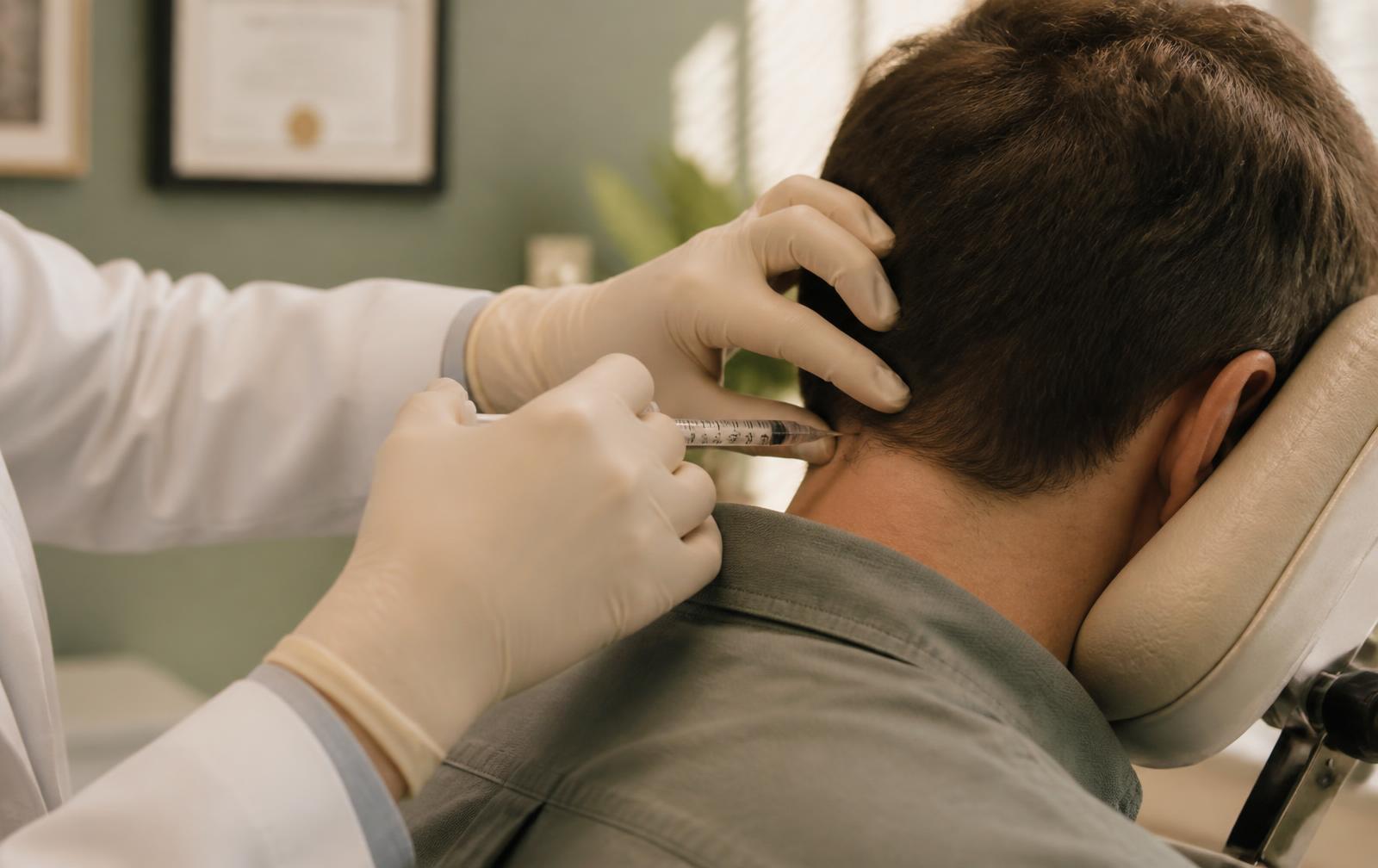
An occipital nerve block being performed in the office
Occipital nerve blockade — performed in the office, minutes, no sedation.

OnabotulinumtoxinA (Botox) for chronic migraine

Considered for

15 or more headache days a month

Visit length

About 15 minutes, no sedation

Performed with the full PREEMPT protocol — 155 units across 31 fixed sites, with follow-the-pain supplementation where indicated — repeated every 12 weeks. Protocol compliance matters: incomplete or improvised injection patterns are one of the most common reasons patients are told Botox 'didn't work' for them.
Occipital nerve blocks

Considered for

Occipital neuralgia, cervicogenic and migraine flares

Visit length

Minutes, in office

Greater and lesser occipital nerve blockade with local anesthetic, with or without steroid. Used for rescue during a prolonged attack, to break a cycle after medication overuse withdrawal, and as a diagnostic step when occipital nerve involvement is suspected.

Sphenopalatine ganglion (SPG) block

Considered for

Cluster headache, refractory migraine, facial pain

Visit length

10–15 minutes

Transnasal delivery of anesthetic to the sphenopalatine ganglion — a well-tolerated, needle-free option that targets the autonomic relay driving cluster attacks, hemicrania, and some post-dural-puncture headaches.

Trigger point & pericranial injections

Considered for

Neck- and muscle-driven headache

Visit length

Minutes, in office

Targeted injection of cervical, trapezius, and pericranial myofascial trigger points that maintain a headache pattern long after the original trigger has resolved. Often paired with a nerve block in the same visit.

Supraorbital, supratrochlear & auriculotemporal blocks

Considered for

Frontal and temporal pain, post-traumatic headache

Visit length

Minutes, in office

Peripheral trigeminal branch blocks for focal frontal, periorbital, or temporal pain — frequently valuable after concussion or head injury where pain localizes to a specific nerve distribution.

Infusion therapy & bridge protocols

Considered for

Status migrainosus, medication overuse withdrawal

Visit length

1–3 hours per session

In-office intravenous protocols — DHE, magnesium, valproate, antiemetic and neuroleptic regimens, steroid bridges — designed to end a prolonged attack or carry a patient through withdrawal from overused acute medication, without an emergency department visit.

Medical therapy

The full spectrum.

Procedures work best alongside a preventive strategy chosen for your physiology, your other conditions, and your plans — including pregnancy.

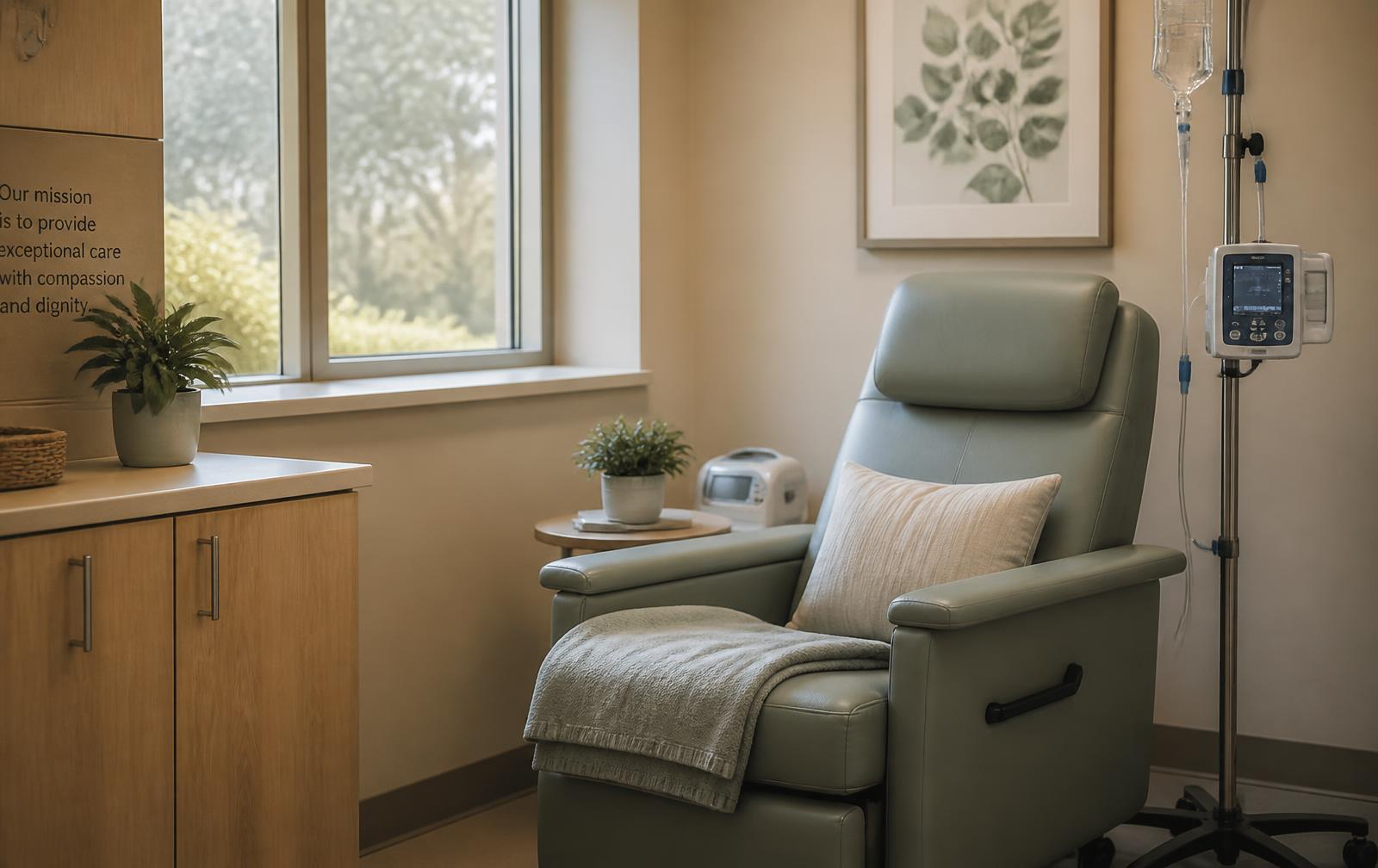
In-office infusion chair beside a sunlit window
  • CGRP monoclonal antibodies (erenumab, fremanezumab, galcanezumab, eptinezumab)
  • Gepants for acute and preventive use (ubrogepant, rimegepant, atogepant)
  • Triptans, including non-oral routes for early nausea
  • Traditional preventives: beta blockers, candesartan, topiramate, valproate, tricyclics, venlafaxine
  • Cluster-specific therapy: verapamil, high-flow oxygen, occipital blockade, galcanezumab
  • Neuromodulation devices (external trigeminal, vagal, and remote electrical)
  • Pregnancy-, lactation-, and fertility-compatible regimens
  • Supplement regimens with real evidence: riboflavin, magnesium, CoQ10

Beyond the office

When a procedure isn't enough, we can investigate.

The headache center operates within an interventional neurology practice, which means spinal fluid pressure studies, cerebral venography, and vascular imaging are available when the history points that way.

Complex & persistent headache →