01
Medication strategy
Preventive and acute treatment matched to your diagnosis, comorbidities, and tolerance — including CGRP antibodies and gepants, with attention to what has already failed and why.
Center for Interventional Headache Medicine · Long Island & Manhattan, NY
Months to be seen.Minutes to be heard.We built this practice to reverse both.
Sound familiar? It is no wonder headache patients feel unseen and unheard. Here, the wait is shorter and the visit is longer — long enough to take the history where the diagnosis usually lives, and to build a plan that fits your pattern and your lifestyle.
New patient & second-opinion consultations · (516) 466-1029 · Learn more about the practice

Nicholas Tzikas, MD, MPH
Director, Center for Interventional Headache Medicine
Our offices
Center for Interventional Headache Medicine
at Interventional Neuro Associates
Your headache specialist
I am a fellowship-trained headache and facial pain specialist. For the last eight years, my work has been focused exclusively on headache disorders. There are more than 200 distinct forms, and telling them apart is most of the job.
The practice is built for patients who have been elsewhere and still do not have a plan. Longer visits, direct access to the same physician, and the option to move from diagnosis to procedure in the same clinical path.
Recognition & leadership
U.S. News Health
Best Doctors for Migraine and Chronic Headache
Listed in U.S. News Health's Best Doctors for Migraine and Chronic Headache in Connecticut.
View listing →
WTNH News 8
Featured expert on headache and migraine triggers
Watch the segment →
Dartmouth Hitchcock
Fellowship-trained in Headache Medicine
View fellowship alumni →
Yale School of Medicine
Former fellowship co-director and clinical site director
Eight years devoted to headache and facial pain care, education, and program leadership.
Medscape Education
Expert faculty on comprehensive migraine management
View faculty disclosure →
A program built around follow-through
A target. A decision date. A plan that keeps moving.
Headache care should be an active process, not a prescription followed by months of waiting. The Headache Project is the umbrella for structured pathways designed to build momentum in year one and protect it over time.
Explore The Headache Project →Year one
Get better.
Ongoing
Stay better.
Program and enrollment details are coming soon.
A plan built for one person
We use that time to design a plan around your pattern, drawing on three levers rather than one: the right medications, the right procedures, and the right non-medication therapies. Most patients do best when these are layered deliberately — each one chosen for what it adds, and sequenced so the benefits compound instead of competing. When medication is not the right answer — because of intolerance, a choice to come off it, or personal preference — the non-medication lever becomes the plan, not an afterthought.
01
Preventive and acute treatment matched to your diagnosis, comorbidities, and tolerance — including CGRP antibodies and gepants, with attention to what has already failed and why.
02
Botox on the full PREEMPT paradigm, nerve blocks, trigger point injections, and infusions — offered when the pattern and the evidence call for them, not by default.
03
External neuromodulation devices, biofeedback and behavioral techniques, evidence-based supplements and nutraceuticals, sleep and lifestyle work, and physical approaches for cervicogenic contributors.
Why this practice exists
Figures reflect published national estimates for headache care in the United States.
In-office procedures
Botox is given on the full 31-site PREEMPT paradigm for chronic migraine, on schedule. Nerve blocks, trigger point injections, and infusions are available in the office — useful when the diagnosis fits and the evidence supports them.
We choose them when they match your headache, and pair them with the medication plan rather than substituting for it.
Why headaches persist for years
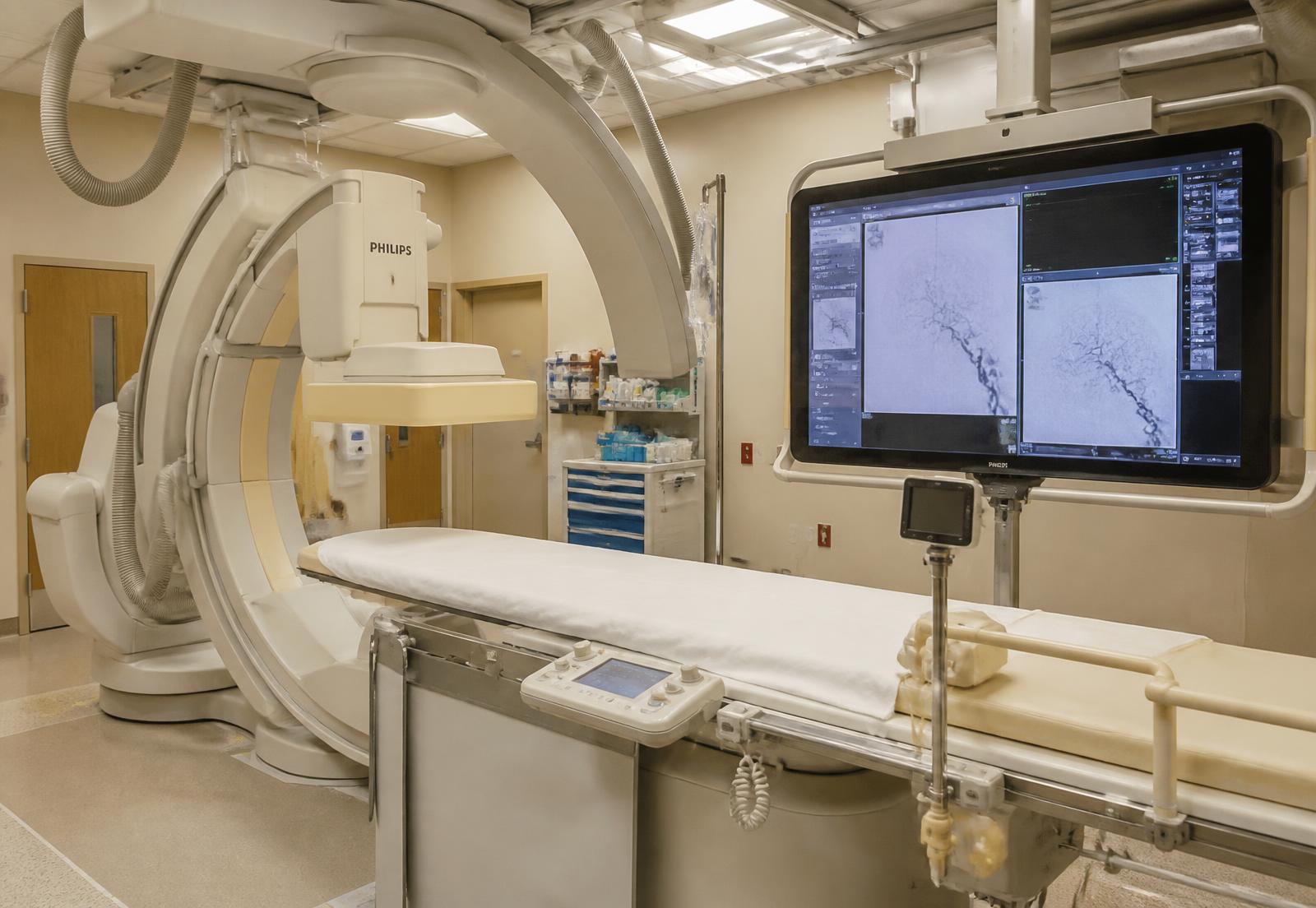
Because the center is part of an interventional neurology program, we can do more than prescribe. We can measure. If the history suggests a pressure or flow problem, the workup and treatment are planned by the same practice and coordinated directly with the interventional team.
How we work these up →CSF pressure disorders
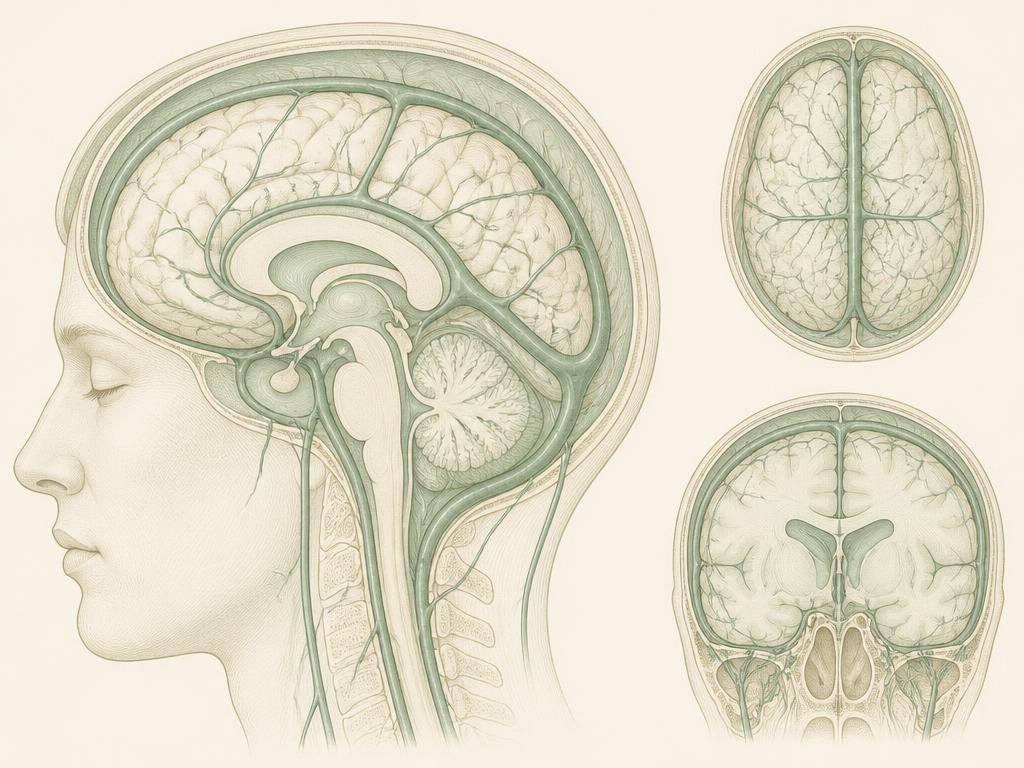
Intracranial hypertension and spontaneous spinal fluid leaks — diagnosed with pressure measurement and targeted imaging, then treated.
Cerebral venous outflow
Venous sinus stenosis, jugular outflow obstruction, and pulsatile tinnitus evaluated with venography and pressure gradients.
Blood flow & vascular causes
Dissection, vasculitis, dural fistula, and other secondary vascular causes that mimic migraine for years.
Second opinions
For patients who have been told there is nothing more to try, we review the diagnosis together before changing the medication.
The first visit
Most patients arrive believing they have sinus, tension, or stress headaches. The first visit is long because the diagnosis decides everything that follows — but the diagnosis is only the start. The plan is what changes the pattern.
Step one
We trace when the headaches began, what changes them, what you have already tried, and what you have not. Your story is the most precise diagnostic tool we have.
Step two
The workup is chosen for your specific pattern — pressure, veins, vessels, or structure — and ordered to answer the questions your history raises.
Step three
Acute rescue, prevention, and — where indicated — a procedure schedule, combined with non-medication options when that is what you prefer. You leave with clear thresholds and a next step, not just a prescription.

Patient experiences
Patients with years of persistent headache often arrive after trying many approaches. These are their words about what changed once care became focused and collaborative.
“Working together we found options that were safe for me. He is knowledgeable and really listens to his patients.”
“I can share my concerns and he listens. So together we made a plan for this migraine. I feel heard and supported every visit.”
“Dr. Tzikas listened, adjusted my plan, and worked with me until we found something that actually helped. I am so thankful for his care.”
Part of
The Center for Interventional Headache Medicine sits within a larger interventional neurology program. That means the same practice can evaluate, image, and treat the pressure and blood-flow causes of persistent headache — without the usual referral chain between separate departments.
Meet the rest of the practice →Now scheduling
New patient and second-opinion consultations for patients across the tristate area.